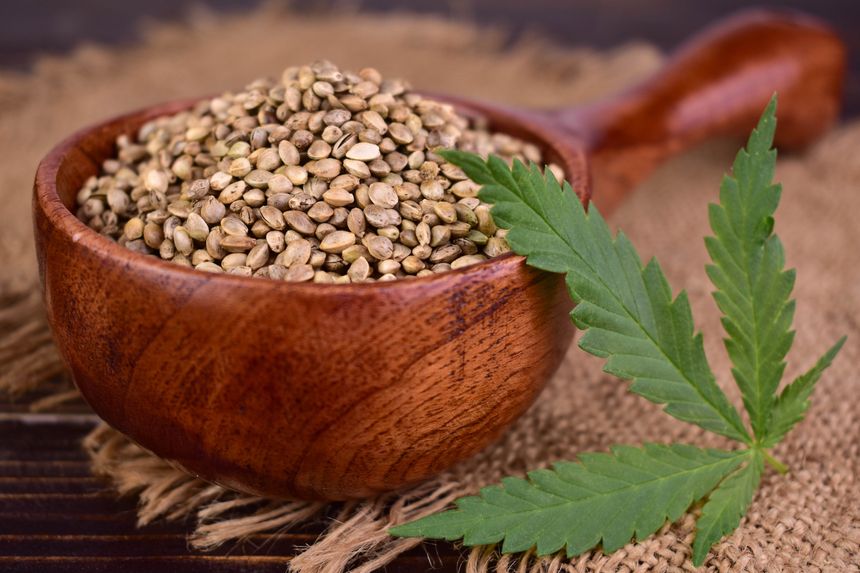

If you aren't familiar with marijuana, or you're not a botanist, you may not know that hemp and marijuana are the same plant. Not similar. Not cousins. Not "related." The same species, Cannabis sativa L., separated by a legal distinction so arbitrary it would be funny if it weren't costing both industries billions.
And right now, both industries are staring down the same federal chaos. The Senate voted early Saturday morning to delay the looming federal hemp ban until December 11, 2026, pushing it past the original November 12 deadline and, notably, past the midterm elections. As MJBizDaily reported on August 10, the Senate's action "extends a temporary lifeline for hemp THC," while simultaneously “setting up a fight with cannabis industry.”
Gee, why can't we all just get along?
And why so much pressure by the hemp industry for this seemingly short extension? Likely it's because legislators don't want to kill an estimated $28.8 billion hemp industry right before voters go to the polls. Stating the obviously quiet part out loud: the composition of the next Congress will determine whether hemp products survive, get regulated, or get banned outright.
It's possible the midterms could deliver a more aligned Congress on cannabis policy. Or they could deliver more of the same gridlock. Either way, these two industries need to stop acting like they're on different planets, come back down to earth, and start fighting together.
Right now, I'd settle for these two industries finding common ground. Because if the current U.S. Congress can find bipartisan votes to delay a hemp ban, then surely the hemp and cannabis industries can find it on a shared federal agenda.
Ironically, the 0.3% delta-9 THC threshold that divides "legal hemp" from "illegal marijuana" wasn't based in rigorous science. It was proposed in a 1976 research paper by a couple of botanists who openly called the number arbitrary. Congress adopted it in the 2018 Farm Bill. And yet, for years, despite the arbitrary distinction, the hemp industry and the cannabis industry keep acting like they're in different worlds. But they're not. They have far more in common than differences.
Both industries face banking challenges. The SAFE(R) Banking Act, which covers both state-legal cannabis and hemp businesses, has passed the House seven times without becoming law. The bill's passage would certainly benefit both industries. They face the same opponents using the same opposition playbook ("think of the children"). Both industries pour money into lobbying efforts that many times pull in opposite directions, cancel each other out, and leave Congress free to do, well…nothing.
The DEA just wrapped up a rescheduling hearing for marijuana. The Senate just voted to delay its own hemp ban. The President signed the ban into law last November and then turned around and told Congress to delay it. Flip-flop. We are weirdly seeing (at least medical) marijuana move toward less federal restriction with rescheduling while hemp faces a compliance cliff and a potential free-fall back into illegality and Schedule I status. What world am I living in? And all this time…same plant.
The push for marijuana rescheduling, if it succeeds—and without coordination — could accidentally create a more federally-regulated framework that crushes hemp products that don't fit an FDA approval pathway. Meanwhile, the hemp industry's strategy of resisting all regulation hands opponents the ammunition to call the entire cannabis space lawless and dangerous.
You know who wins when these two industries fight each other? The prohibitionists. The illicit market. And the politicians who get to appear "tough on drugs" without ever having to propose a real, sensible, and coherent policy.
The agenda here isn't rocket science: de-scheduling, not rescheduling of cannabis, banking access, sensible age restrictions, testing standards, and labeling requirements. The adversaries are the same, it's just one plant, so the goals should be the same.
The midterms are coming. The clock is ticking. If there was ever a moment to stop pretending that 0.3% is a meaningful distinction and finally get this whole industry moving in the same direction, the launch window is right now.