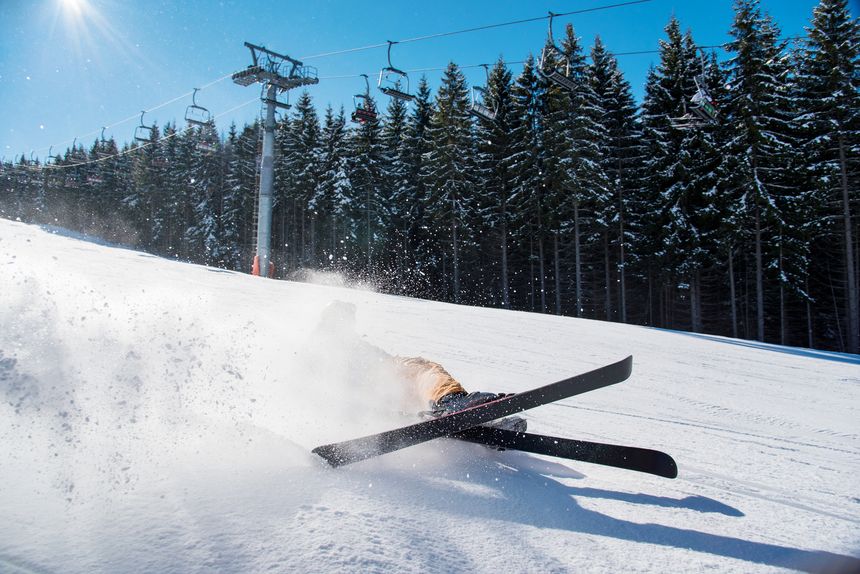

In a 4–3 decision issued September 21, 2026, the Colorado Supreme Court ruled that a ski pass liability waiver signed after a skier's injury—and while litigation was already underway—constituted an enforceable release that barred all of the skier's claims against Vail Summit Resorts, Inc. and its employee.
The case, Litterer v. Vail Summit Resorts, Inc., 2026 CO 65, arose from a December 2020 collision between snowboarder John Litterer and a snowmobile operated by VSRI employee Dwight McClure at Breckenridge Ski Resort. Litterer filed multiple claims—including negligence, negligence per se, and a prayer for exemplary damages—and the case proceeded through active litigation. Then, during the pendency of his lawsuit, Litterer purchased a five-day Epic Pass for the 2022–23 season and, as part of the online checkout process, electronically signed a "Release of Liability, Waiver of Claims, Assumption of Risks and Indemnity Agreement". That waiver stated in capital letters that the signer "FURTHER RELEASE[D] AND [GAVE] UP ANY AND ALL CLAIMS AND RIGHTS" against VSRI and its employees, including claims "RESULTING FROM ANYTHING WHICH HAS HAPPENED UP TO NOW".
The central legal question was whether this click-through waiver—executed after the injury and mid-litigation—operated as an enforceable release of existing claims or merely as an exculpatory agreement subject to stricter scrutiny. The majority, authored by Justice Berkenkotter, held it was a release. Because Litterer had vested claims at the time he signed, the court applied traditional contract principles rather than the four-factor Jones v. Dressel test reserved for exculpatory agreements. The court found mutual assent—Litterer electronically signed the waiver, purchased the pass, and used it to snowboard at Breckenridge—and rejected his arguments that he lacked intent or bargaining power, noting he could have skied elsewhere. The court also dismissed his willful and wanton conduct claim as not a cognizable independent tort under Colorado law, and held that exemplary damages cannot survive without an underlying claim. Finally, the court distinguished Miller v. Crested Butte, LLC (2024), which barred pre-injury exculpatory waivers of statutory duties, finding that ruling inapplicable to post-injury releases.
A vigorous dissent by Justice Gabriel, joined by two colleagues, warned that the decision hands the ski industry "an extraordinary perpetual pass" to avoid liability by "burying exceptionally broad release language in the click-through, lengthy boilerplate" of pass purchases. The dissent argued the waiver was predominantly an exculpatory agreement that failed the Jones clarity test due to dense legal jargon, excessive length, and the likelihood that reasonable purchasers would not realize they were surrendering claims in pending litigation.
For ski resort operators, the decision confirms that, at least under the circumstances presented here, a broadly worded post-injury release incorporated into a ski-pass purchase may be enforceable under ordinary contract principles, even when the purchaser already has pending claims against the resort. However, the strong dissent and 4-3 vote may serve as a cautionary note for waivers that will rely heavily on this decision. For skiers and snowboarders, the implications are sobering: purchasing a pass from the same resort you are suing can extinguish your claims—even claims you may not know you have—if the waiver language is sufficiently broad. As the dissent cautioned, the ruling transforms a routine consumer transaction into a potential litigation trap.