Over the past fifteen years, I have negotiated, implemented, and enforced Community Benefits Agreements (CBAs), also known as Host Community Agreements (HCAs), for casino and integrated resort developments across the United States. Each project’s success depended on well-negotiated agreements demonstrating tangible value to the host community. Developers presented these projects as economic development engines that would create good-paying local jobs, fund workforce training programs, generate substantial tax revenues for schools and public services, and deliver a range of other community benefits.
Without exception, these projects faced significant opposition from community groups, politicians, and residents invoking the predictable “not-in-my-backyard” (NIMBY) objections: crime would spike, promised tax revenues would never materialize, local residents would not be hired or would not want the jobs offered, and developers would fail to honor their commitments. In every project I worked on, the opposition was wrong. Crime rates near the developments declined or stayed flat. Tax revenues exceeded projections. Community members who sought skills or job training received it—many building lasting careers with the developers and construction firms. Local residents were hired into resort operations and remain employed there today.
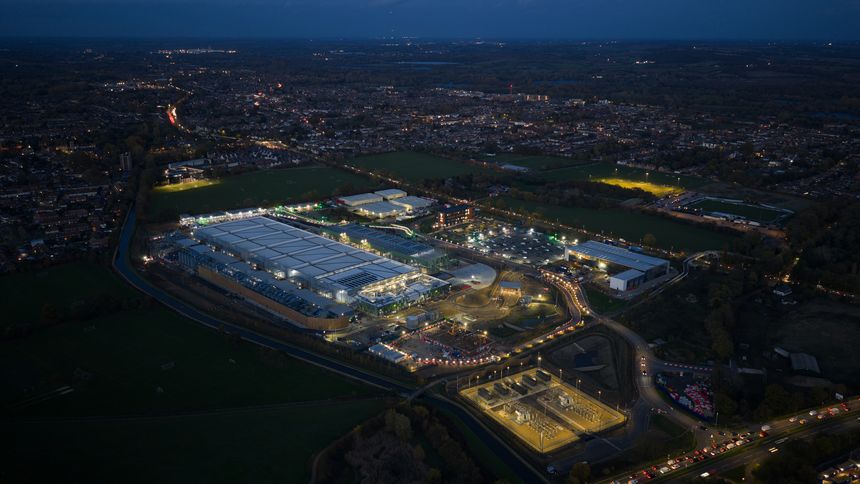
Why does this history matter now? Today’s data centers are yesterday’s casinos. They are economic development projects capable of delivering real, measurable benefits to the communities where they are sited. For community leaders and elected officials with the foresight to recognize the opportunity, data center proposals represent a chance to negotiate lasting impact without raising taxes on existing residents. These projects can fund neighborhood revitalization, infrastructure upgrades, and power supply improvements. They can support apprenticeships and vocational training in local schools, underwrite centers of excellence, and much more.
I have witnessed these benefits firsthand. I have seen the genuine surprise on local leaders’ faces when developers not only kept their promises but exceeded them. I have met residents who believed opportunity would never reach their neighborhoods—people who no longer have to leave home to build a career. I have watched real, lasting change unfold before my eyes, and I am proud of my role in helping make it happen. The national debate over data centers is no longer on the horizon, it is here. Communities across the country are already weighing these proposals, and a number of cities, counties, and states have paused new projects while they work through their questions. I understand the instinct; I saw it in every casino project I worked on. But the outcomes will differ from one community to the next based on what leaders do once the questions are on the table. Those that simply reply “no” risk squandering the opportunity in front of them and missing out on the AI revolution that is reshaping the world. The leaders who recognize the moment, negotiate strong Community Benefits Agreements, create local jobs, and position their communities for long-term empowerment and prosperity will be well positioned for success.

| 2 minute read
Data Centers and Community Benefit Agreements: A Win-Win Solution
Get in touch

Get in touch
Get in touch
Get in touch