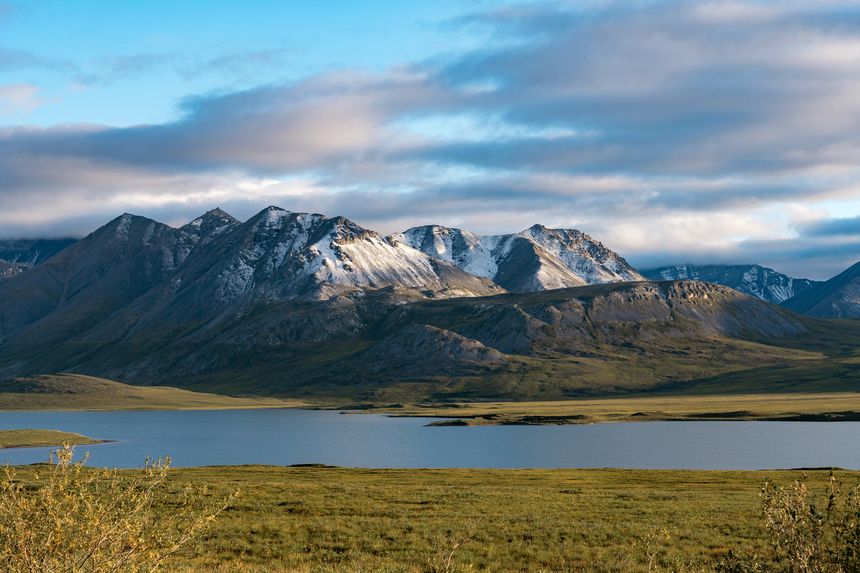


The Izembek road dispute in southwestern Alaska is a useful case study in how infrastructure projects on and near federal conservation lands can turn on land ownership, land status, and separate statutory authorization requirements. The King Cove-to-Cold Bay project is a proposed 18.9-mile, single-lane gravel road that would connect King Cove, a predominantly Aleut community with a 2020 population of 757 and no road connection to any other community, to Cold Bay’s all-weather airport, crossing the Izembek National Wildlife Refuge (Refuge) for roughly 11 miles.
The road has federal and state backing, but that has not cleared the full project. In October 2025, the Department of the Interior approved and executed a land exchange with King Cove Corporation (KCC) intended to provide much of the corridor by conveying roughly 490 acres of federal land to KCC, including land within the Refuge and designated wilderness. In August 2026, the U.S. District Court for the District of Alaska vacated that exchange, holding that Interior could not avoid Alaska National Interest Lands Conservation Act (ANILCA) Title XI’s process for transportation systems through Alaska conservation units by first transferring the corridor out of federal ownership.
The first 2.8 miles are different. That segment is on pre-existing KCC land within the exterior boundary of the Refuge but outside designated wilderness, and it is governed by the specialized compatibility rules for lands conveyed under Alaska Native Claims Settlement Act 22(g). In a separate case, courts recently allowed work on that segment to continue, but those rulings did not revive the vacated 2025 exchange for the rest of the corridor.
The lesson is that land control, even with agency support and a strong public safety narrative, does not necessarily answer the permitting question. For proponents and opponents alike, Izembek shows that linear infrastructure crossing multiple legal regimes must clear each regime on its own terms.