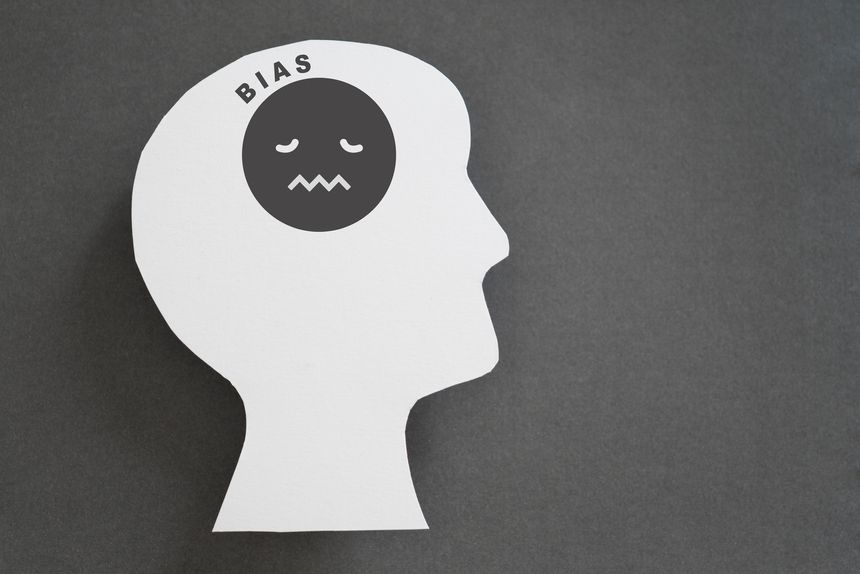

Courts have somewhat recently discovered the concept of implicit bias, or the existence of deeply embedded preferences that can influence our likelihood of supporting or opposing a given party. To their credit, some courts have responded by addressing these biases as part of the voir dire process. Several venues, for example, have included general instructions on bias as part of their introductory videos for the panel of prospective jurors. But does that work? According to some recent experimental research on the effect of these instructions (Lawrence et al., 2025), the answer seems to be that the jury is still out.
As hypothesized, mock jurors’ increased explicit racial biases predicted less favorable verdicts for Black plaintiffs but not for White plaintiffs. Implicit bias judicial instructions increased pro-plaintiff verdicts and mock jurors’ trust in the courts in cases with Black plaintiffs. However, we did not find evidence that educational videos impacted these outcomes…
As the authors note, the question will continue to be researched, but it is worth noting that the equivocal results confirm the intuition that we shouldn't simply place faith in the mechanistic role of instructions in changing juror behavior, particularly when it comes to deeply embedded attitudes that are not subject to conscious awareness and control.
Bias, of course, will apply to all kinds of issues other than the race of a defendant. Rather than just asking jurors not to be biased, a better course would be to expand voir dire:
- Let the lawyers ask questions. Jurors are less likely to default to “socially desirable” answers when they're talking to an attorney rather than a judge.
- Allow questioning on case-relevant attitudes and experiences: It isn't “pre-judging” the case for jurors to talk about some of the background and views they would bring to the general issues.
- Allow case-specific questionnaires, along with the time to analyze them. Jurors are more likely to be candid when answering questions on a paper or web form rather than in court.
- Don't rely on self-diagnosis of bias. The standard of whether a “reasonable person” would see an individual as having a potentially salient bias is a better basis for a cause challenge, where that standard is followed, or for a strike.