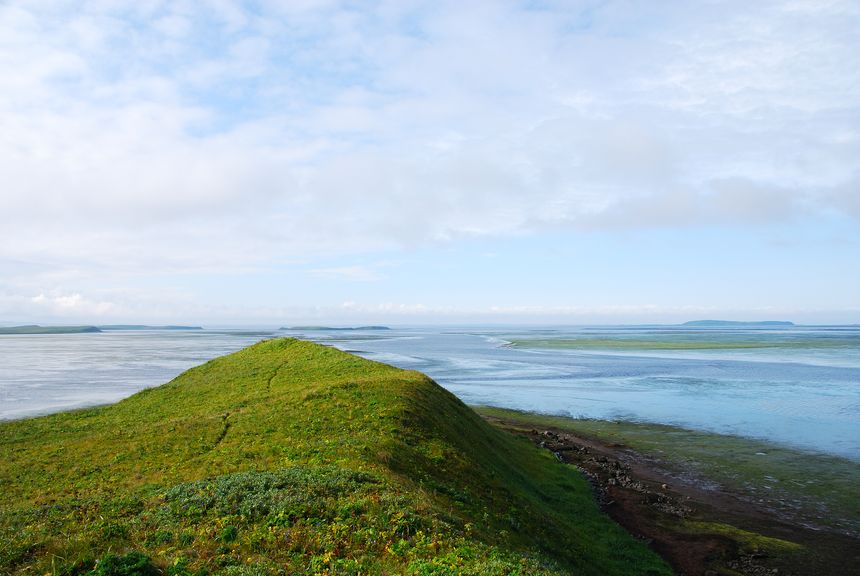


For project developers, the Izembek decision is a useful reminder that land control is not the same thing as permit certainty. The U.S. District Court for the District of Alaska vacated the Department of the Interior’s October 21, 2025 land exchange with King Cove Corporation, which would have transferred a corridor of Izembek National Wildlife Refuge and Wilderness lands to facilitate an approximately 19-mile road between King Cove and Cold Bay.
The court’s practical message is simple: Agencies and sponsors in Alaska cannot isolate a land transaction from the facility it is designed to enable. Plaintiffs prevailed on claims under the Alaska National Interest Lands Conservation Act (ANILCA Title XI), the Endangered Species Act, and the National Wildlife Refuge System Administration Act, even though the court rejected challenges under ANILCA § 1302(h), ANILCA § 810, NEPA, and an APA change-of-policy theory.
That distinction matters for project planning. ANILCA § 1302(h) can authorize land exchanges, but Title XI separately regulates transportation and utility systems through Alaska conservation units, including roads, and requires coordinated applications, environmental review, and detailed findings. The Refuge Act adds another gate: the agency must address whether a proposed use is compatible with refuge purposes and the broader Refuge System mission. Here, the court found the Secretary erred in concluding that Title XI did not apply to the exchange, and failed to make the suitability determination required by the Refuge Act.
The Endangered Species Act issue is equally instructive. Section 7 consultation requires federal agencies to ensure their actions will not jeopardize listed species or adversely modify critical habitat. The implementing rules require a biological opinion to evaluate the action and formulate an incidental take statement when take is reasonably certain to occur. Here, the U.S. Fish and Wildlife Service failed to prepare an incidental take statement because it limited its effects assessment to those caused directly by the land exchange, instead of considering road construction and maintenance activities that would cause consequences for listed species. Mathematical errors in the agency's Biological Opinion also rendered the no-jeopardy determination arbitrary and capricious.
The broader lesson is not that infrastructure like this cannot be built. It is that developers should map every statutory gate early, align the real estate strategy with the permitting strategy, and build a record that can survive review before equipment mobilizes.