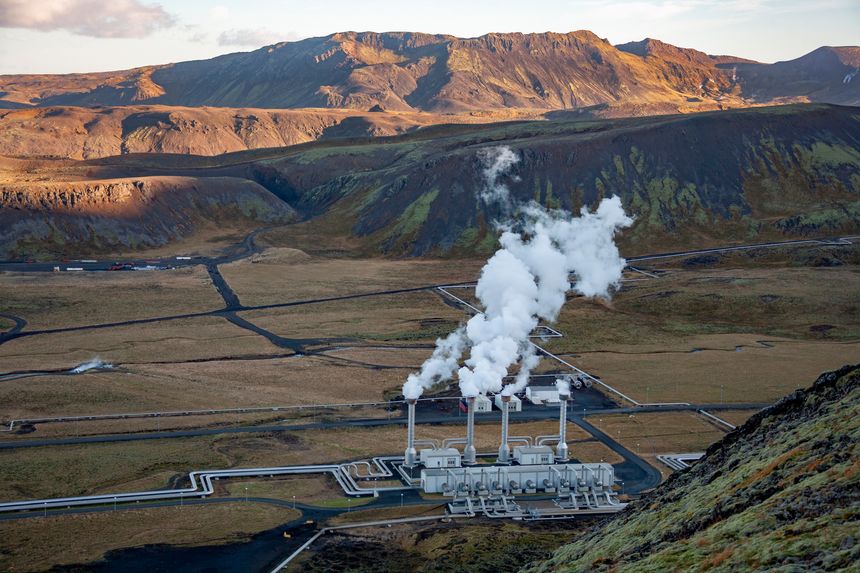


Advanced geothermal is having a moment, but the next bottleneck may not be the rock. It may be the permit path. Enhanced geothermal systems, or EGS, and advanced geothermal systems, or AGS, are attracting serious attention because they can use modern drilling, reservoir engineering, closed-loop designs, data tools, and other innovations to expand geothermal beyond traditional hydrothermal fields.
On federal lands, developers must navigate the Geothermal Steam Act, BLM leasing, exploration approvals, drilling permits, utilization plans, site licenses, and NEPA review. State and local requirements also matter, particularly drilling, water, environmental, and utility approvals. California’s geothermal field development statute is a reminder that some states have purpose-built frameworks while others rely on oil, gas, mining, or water-well rules.
What makes EGS and AGS different from the activities regulated by those existing frameworks is the subsurface risk profile. Reservoir stimulation, injection, closed-loop design, induced seismicity, water sourcing, groundwater protection, and split mineral or surface rights can all move from technical footnotes to permitting-critical issues. Interconnection can be just as significant, particularly as large-load customers look for firm, clean power and FERC examines how large loads connect to the interstate transmission system.
The good news is that permitting reform is no longer abstract: BLM has adopted geothermal categorical exclusions for resource confirmation and small-scale exploration. But BLM retains authority to require full review if extraordinary circumstances, cultural resources, endangered species, and site-specific impacts require it. State permitting remains fragmented, varying by jurisdiction. For developers, the lesson is to treat the permit path like the resource itself: mapped early, de-risked deliberately, and engineered into the project schedule. For developers, the lesson is to treat the permit path like the resource itself: mapped early, de-risked deliberately, and engineered into the project schedule.