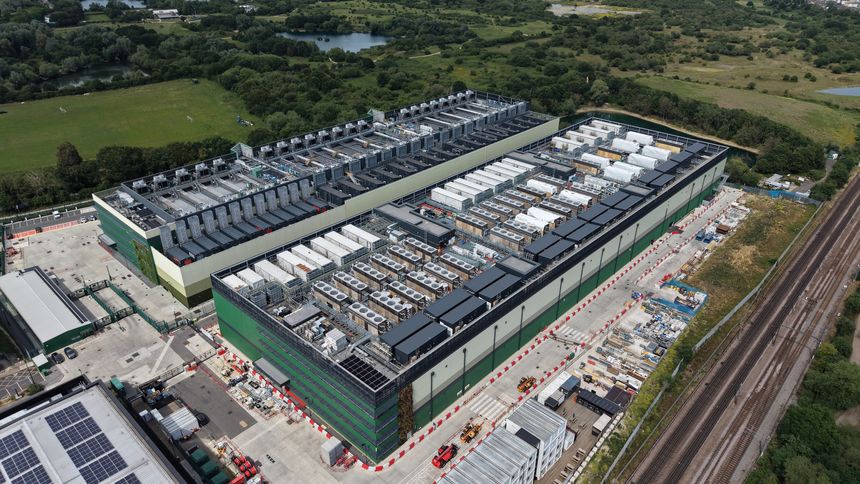


Many of Arizona's largest cities already host large-scale data centers. Concerns about data center development are national—and have grown alongside the demand to build—but in Arizona, the regulatory response is increasingly local. In recent years, cities and counties across the state have enacted zoning ordinances specifically targeting data center development.
Town of Marana (December 2024): Ordinance No. 2024.029 establishes comprehensive requirements for hyperscaler data centers, including project review procedures, site design standards, noise mitigation, demonstration of adequate power and water supply, and compatibility with surrounding land uses. Developers must complete a Specific Plan rezoning process, which includes review by Town Staff, public hearings before the Planning Commission, and final consideration by the Town Council during public meetings.
Mohave County (December 2025): In another corner of the state, the Mohave County Board of Supervisors adopted an ordinance requiring special use permits for data centers in designated industrial zones. These requirements will apply only to unincorporated areas of Mohave County; municipalities within the county maintain independent zoning authority.
City of Tucson (Effective September 4, 2026): Just this month, Tucson adopted its own Unified Development Code amendment requiring a comprehensive public review process for large-scale data centers, including neighborhood coordination, a public hearing, review by the Zoning Examiner, and final consideration by the Mayor and Council. The regulations establish several standards: (1) Separation: enhanced setbacks from residential areas, commercial uses, and sensitive locations; (2) Noise Mitigation: sound impact studies, noise barriers, and operational noise limitations; (3) Utility Infrastructure: proof of adequate water and power supply, with mandatory disclosure of energy mix, including renewables; (4) Environmental Mitigation: Environmental Response Report that identifies the area for development and dedicates remaining land for natural, open space, unless off-site mitigation lands are identified and approved with a minimum 2:1 offset of land area.
While many Arizona jurisdictions still operate under general zoning codes, local regulation of data centers could become the norm. Success in Arizona's data center market will therefore require deep expertise in the specific regulatory requirements, approval processes, and community dynamics of each target jurisdiction. Developers should conduct early regulatory due diligence for each target site, engage local stakeholders and community representatives before filing a formal application, incorporate local requirements into project design from inception, and monitor proposed regulatory changes in target jurisdictions.